How to Handle Bad Beats in Poker
Poker is a game of both chance and skill. It’s all about making the correct decision consistently in order to achieve positive long-term results. In the short term though, anything can and will happen.
When you pick up pocket aces and play it out against two random cards, you’ll have an average of 80 to 85 percent equity in the hand. That means that if you and your opponent are all in preflop, they will still win one in every five times over the course of a large sample.
Even when you’re the clear favourite, you can still lose the hand. This is known as a bad beat.
Bad beats are bound to happen. It’s just a part of the game. Still, it can be tough to deal with bad beats and recover quickly so that you can continue playing your A-game.
If you want to be a successful poker player, you’ll need to learn to handle bad beats. Here’s how.

Mindset is everything
Bad beats seem unfair. You can do absolutely everything right and still end up on the receiving end, losing chips. This can feel even worse if it happens during a large pot in a cash game or a pivotal moment in a tournament.
A negative reaction can make the situation even worse, turning a bad beat into a losing session.
The first step to recovering is to equip yourself with a mindset that accepts bad beats as an inevitable part of poker. Rather than simply accepting them, you can even learn to befriend bad beats.
This isn’t a self improvement article. We’re not going to tell you to “think positively” by faking how you feel. Bad beats hurt. But they really are the best friend of winning players.
First of all, if you suffer a genuine bad beat, you will usually have got your chips in with the better hand or better equity. You had the better odds at the time when you and your opponent put the chips in the middle. In other words, you made a long-term winning move.
If you made this move consistently over the course of your poker career, then you would come out on top. It just so happens that this is the time when the runout of the board was not in your favour.
Even more importantly, bad beats keep recreational and less experienced players engaged in the game. The fact that newer or more casual players can occasionally win hands, or even tournaments, encourages them to continue playing. And this is exactly the type of player that you want at your table.
So, if you’re looking at poker as a long-term pursuit, which you should be, bad beats really aren’t all that bad.
Keeping emotions in check
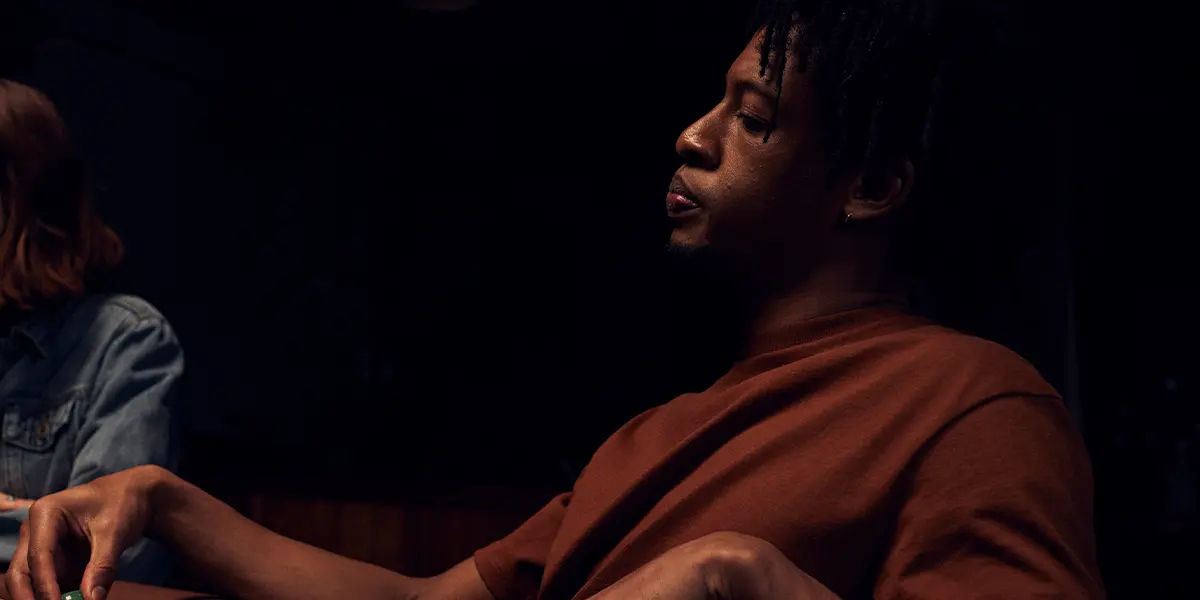
Even knowing this, bad beats can still have an impact. Especially if you’re relatively inexperienced and still getting used to the brutal nature of the game. It’s okay to feel that pain. But the last thing you want is for a routine bad beat to spiral into tilt, and then turn into a losing session.
The moment after a particularly hurtful bad beat, be sure to take a few deep breaths. If you need to take a short break, then take a walk and have a moment away from the table to calm down and collect yourself.
If you’re playing a tournament and can’t take a break right away, consider tightening up and playing standard, tight-aggressive poker for an orbit until you feel less emotional.
Try to keep bad beats in perspective. If you’re playing a solid bankroll management strategy, a standard beat shouldn’t feel too bad. You can simply fire up another table and go again. If bad beats become downswings, then feel free to take a longer break, be it hours, days or weeks.
In any case, the more you practice and get to grips with poker as a long-term game, the less each individual bad beat will hurt. And the easier it will be to regulate your emotions in the moment.
Analysing the hand and opponent
Finally, ask yourself if there is anything that you can gain from the hand in terms of improving your own play or learning more about your opponents.
Replay the hand using the PokerStars Hand Replayer. Given that we’re looking at bad beats, you may have played perfectly. If so, congratulations! If not, take note of the ways in which you could have played differently and reach out to the poker community for input.
What’s even more important when it comes to bad beats is taking notes on your opponent, as it’s much more likely that they are the one who made the mistake.
If you can recognise how and why they made the mistake, you can use this information to make exploitative plays against them in future hands.
Bad beats don’t feel great. But with the right mindset and attitude towards learning, they don’t have to cause any further trouble. And they can even provide information that will help you win more in the long run.


View Other Blogs