How to Avoid Becoming a Passive Player
One of the keys to becoming a winning poker player is aggression. The ability to make well-timed bets and raises to inflate or take down pots.
Playing passively, on the other hand, is a major leak. You’ll miss loads of opportunities to gain chips and opponents will find ways to exploit you.
Here’s how to avoid becoming a passive player.

How do passive players approach poker?
Passive players generally come to the table with a risk-averse attitude. They don’t particularly want to put loads of chips in the middle in any given pot, at least not without the nuts. More than that, passive players see poker as a game that is all about the cards and hands they hit.
That’s the overall attitude of a lot of passive players, but how does this manifest in their actions and betting patterns? Well, passive players tend to:
- Open limp
- Flat call bets preflop
- Rarely three-bet
- Check back or flat call bets in position post-flop
- Check-call down out of position
Passive players may be loose or tight. They can enter a lot of pots or very few. What defines a passive player is their lack of aggressive action – they have a tendency to check or call rather than bet or raise.
Why aggression is key in poker
Playing passively is a huge mistake. If you are only ever checking or calling bets, then your only chance of winning pots is by making the best hand. When played in this way, poker becomes much more about the cards you are dealt and whether they hit the board.
If you play your hands passively, you’ll miss lots of opportunities to steal pots preflop and make bluffs post-flop. Even when you have a hand, you won’t get the maximum value without learning when and how much to raise.
Aggressive actions give you more ways to win the pot. By betting and raising, you force opponents to make more difficult decisions and potentially fold the better hand. When you do have a big hand, you’ll only be able to get the maximum value if you play aggressively.
Aggression is not a goal in poker. The goal is to accumulate chips and get the most value possible from a situation. Selective aggression is the way to do that.
How to play less passively
Most of the advice for avoiding becoming a passive player is based on being more aggressive when the situation calls for it. By making bets and raises with both bluffs and value hands, you give yourself more ways to win pots and a greater chance of getting paid.
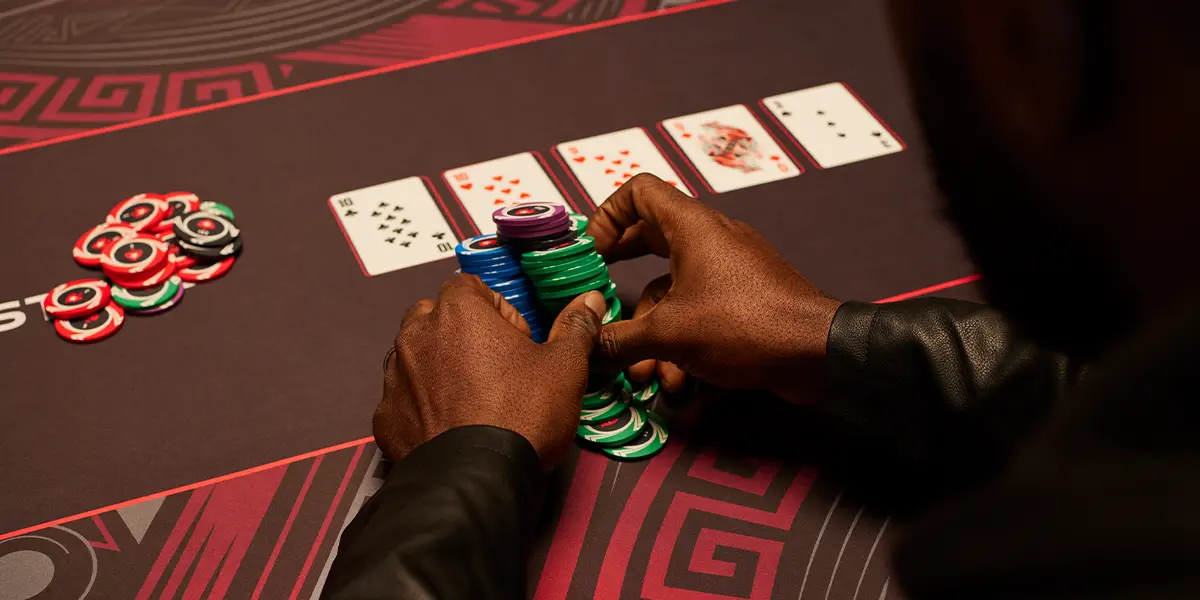
- Stop limping – Open-limping into pots is almost never a good idea, especially if you’re attempting to passively enter pots with mediocre hands. You’ll be putting more dead money in the pot and leaving yourself open to being raised. By raising when you enter a pot, you can win more pots uncontested preflop, while building bigger pots when you have value hands.
- Consider three-betting – Flat-calling raises is not always a bad idea, especially if you’ll have position post-flop. But if you want to avoid becoming a passive player, you should also be able to three-bet with a range of hands that includes both value and some bluffs. Three-betting allows you to win more pots and gives you the initiative post-flop with an uncapped range.
- Learn to bluff – There’s an art to bluffing and it’s not something you should do all the time. Still, it’s a big part of poker and one way to become less passive. Learn when and how to bluff by representing a particular hand and betting as if you had it. Another good way to introduce more bluffs is to semi-bluff your draws instead of checking.
- Find thinner value – Unless you have the nuts, there’s always a chance an opponent could have you beat. This doesn’t mean you should only ever bet when you have the nuts. You’ve got to be able to weigh up the other player’s range and think about whether they have any weaker hands that can call. Look for thinner value when betting and raising.
- Learn to fold – Passive players may not be aggressive, but they do have a tendency to flat call bets too often both post-flop and preflop. There are lots of examples of this, such as calling with a speculative hand preflop, calling down bets with a middle pair, or calling too much with a weak draw. It’s not always about being aggressive. Sometimes, being less passive also means learning when to fold.
Conclusion
Becoming less passive doesn’t mean you need to start betting and raising every chance you get. The key is to recognise when aggression can help you win the pot or get more value from a hand. Look for opportunities to take the initiative, put pressure on your opponents and make them make difficult decisions. At the same time, don’t be afraid to fold when the situation calls for it. Finding the right balance between aggression and caution will help you avoid becoming a passive player.



View Other Blogs