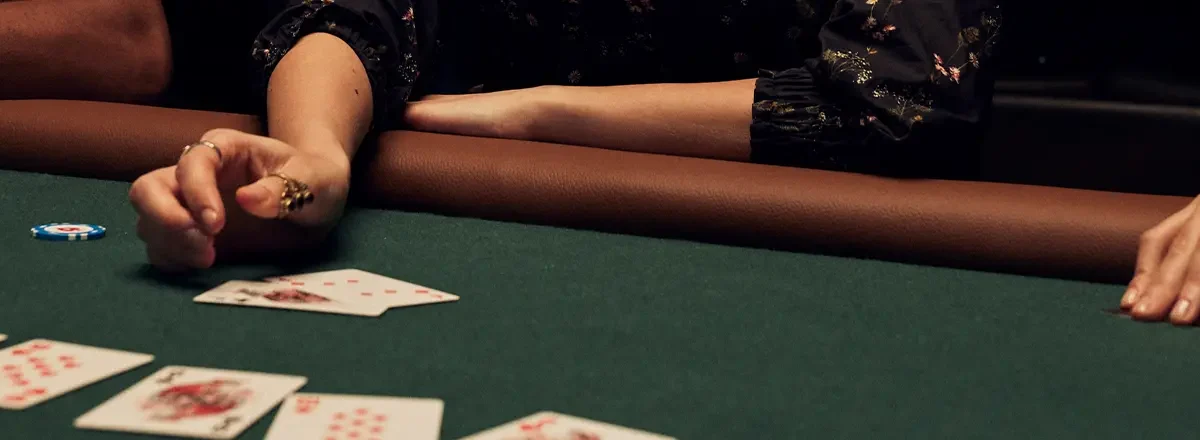
Five Things to Look For in a Hand Even If You’ve Folded
Folding your hand doesn’t mean the hand is over. Other players may still be involved in the action and could be giving away valuable information about how they play. If you’re not paying attention, you’ll be missing out on all of this golden information.
So, there’s every reason to stay focused even after you’ve folded. It’s all about getting a read on your opponent so that you can play more effectively against them in future hands.
Here are five things to look out for even when you’ve folded.
Betting patterns and styles
Loosely speaking, your opponents can be placed in four broad categories based on a quadrant of strategic styles. They are: tight or loose, and aggressive or passive.
- Tight-aggressive – Known as TAG. This is a player who only enters the pot with a narrow range of hands. But when they do they opt for aggressive betting lines, often raising and re-raising pots.
- Loose-aggressive – These opponents play more hands preflop. Then take aggressive betting lines post-flop, applying pressure with raises and re-raises.
- Tight-passive – These opponents don’t play a lot of hands. When they do enter a pot they tend to take passive betting lines, such as checking and flat calling.
- Loose-passive – Probably the most exploitable type of opponent. Loose-passive players get involved in too many hands. They take passive betting lines, such as checking and flat calling.
If played well, tight-aggressive and loose-aggressive styles can be profitable. Meanwhile, any passive style is nearly always a losing approach.
You can take steps to identify these players even after you’ve folded by staying focused on the hand. Ultimately, you’ll want to take more specific notes about their betting lines. But categorising players in this way helps you to quickly identify and react to their style.
Betting frequencies
Hand reading involves narrowing down your opponents’ ranges according to the actions they take. As you gain more information on other players, you can narrow down their ranges with increasing accuracy.
One aspect of other players’ behaviour to look out for is how often they bet or raise. For example, how often do they raise preflop from the button? How often do they make a continuation bet on the flop? How often do they bluff the river?
The bigger the sample of hands you have on someone, the better you can gauge their betting frequencies. To get a big sample, you’ll need to be watching every hand like a hawk, even those you’re not involved with.
Bet sizing tells
Players will often give away information when they use different bet sizes depending on their hand strength. For example, an opponent might only ever bet the pot with the nuts. Or, conversely, they may bet small when they have a strong hand to encourage you to call and bet big with bluffs.
Making this distinction can give you a massive edge, as you’ll be able to work out your opponent’s hand strength based on their bet sizing.
But this is only possible if you can get a good read in the first place, so, once again, you should be looking out for it whether you’re involved in the pot or not.
Glaring errors
Every now and then, you’ll spot someone making an outlandish play. Whether it’s over-shoving the flop with a weak top pair, or bluffing when it doesn’t make sense. Or it might be committing themselves with a call only to fold the next street.
You’ll want to take note of these errors with as much detail as possible. This can give you a clearer picture of how they play overall, and if you’re faced with a similar situation against the player, you’ll know exactly how to act.
For example, if someone tends to bluff too often when they are checked to, you can lay a trap by checking a monster hand. If they tend to call too often with weak pairs, you can bet bigger for value with your top pairs and sets.
Exploitative plays like these will only come about if you’re paying full attention to the table.

Showdown
The absolute best information you can get in poker is a showdown. With the hole cards revealed, it’s possible to piece together exactly how other players engaged with the hand. You can pick out their mistakes, and make exploits based on their tendencies.
Imagine that a player raises preflop, bets all three streets, and shows a second pair instead of a strong made hand. The next time they take the same aggressive line, you’ll know they are capable of applying pressure with much weaker holdings than expected.
Whether you’re involved in the hand or you’ve already folded, be sure to look out for any showdowns that happen at your table.

View Other Blogs